
The spleen is a fist-sized organ located in the upper left abdomen that plays a vital role in two key areas of health: filtering the blood by removing old or damaged red blood cells and platelets, and supporting the immune system by identifying and responding to infections and foreign substances. When a disease, injury, or other condition affects the spleen to the point that it can no longer function properly or poses a risk to your health, surgical removal — a procedure called splenectomy — may be the most effective course of treatment.
At Atlanta General and Bariatric Surgery Center, our board-certified general surgeons are experienced in both laparoscopic and open splenectomy, selecting the most appropriate approach based on each patient's diagnosis, the size of the spleen, and their overall health. Our MBSA and AAAHC-accredited outpatient surgery center in Johns Creek provides advanced surgical care in a comfortable, patient-centered environment, with a 1:1 nurse-to-patient ratio and a team dedicated to supporting you from consultation through full recovery.
We accept most major insurance plans and offer self-pay options at competitive rates. If you have been referred for spleen surgery or are seeking a second opinion, request a consultation with our team today.
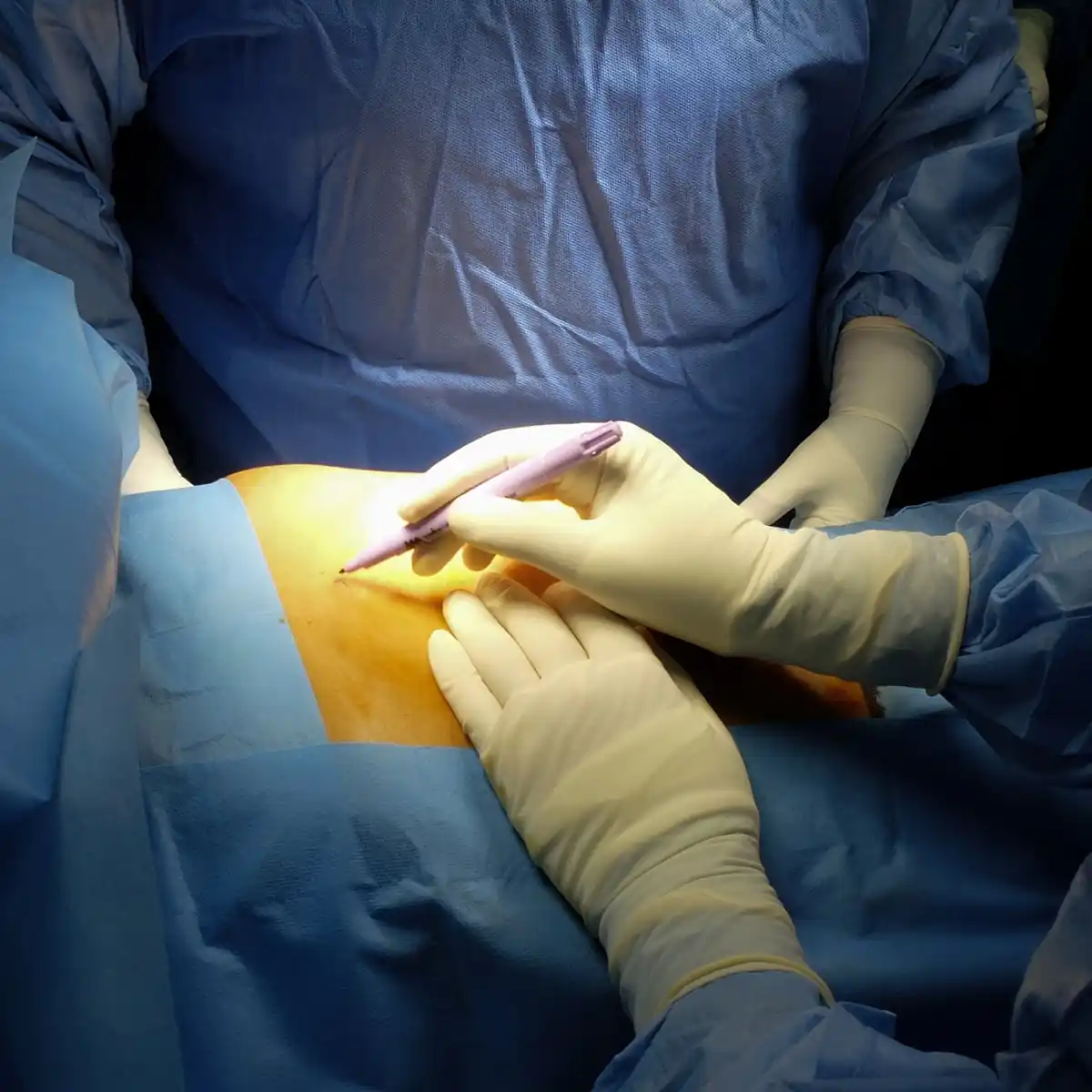
There are several medical conditions that may make splenectomy necessary, including:
Whenever possible, our surgeons perform splenectomy laparoscopically, using several small incisions and a tiny camera to remove the spleen with minimal disruption to surrounding tissue. Laparoscopic splenectomy offers several advantages over open surgery:
In some cases — such as a very enlarged spleen, emergency trauma surgery, or complex anatomy — an open approach may be necessary. Our surgeons will determine the most appropriate technique for your individual situation and walk you through the reasoning before your procedure.
Recovery time varies depending on whether a laparoscopic or open approach was used. Most patients who undergo laparoscopic splenectomy go home within one to two days and return to light activities within two to four weeks. Open splenectomy typically requires a longer hospital stay and a recovery period of four to six weeks. Because the spleen plays a role in immune function, patients who have had their spleen removed may be more susceptible to certain bacterial infections. Your surgeon will discuss appropriate follow-up care, including recommended vaccinations, to help protect your health after surgery.
The spleen filters the blood, removes old or damaged blood cells, and plays a supporting role in the immune system by producing antibodies and helping the body respond to certain infections. While the spleen performs important functions, it is possible to live a full, healthy life without it. Other organs, particularly the liver and lymph nodes, can take over much of the filtering function over time. Patients who have had their spleen removed do have a somewhat increased vulnerability to certain bacterial infections and are typically advised to receive specific vaccinations and take other precautions. Your surgeon and primary care physician will guide you through what to expect and how to protect your health after a splenectomy.
Laparoscopic splenectomy is performed through three to five small incisions in the abdomen. Your surgeon inserts a laparoscope, a thin tube with a tiny camera attached, along with specialized surgical instruments. The camera transmits a magnified, high-definition image of the surgical area to a monitor, allowing your surgeon to work with precision while minimizing disruption to surrounding tissues. The spleen is carefully detached from its blood supply, placed in a surgical bag, and removed through one of the small incisions. The procedure typically takes one to three hours, depending on the size of the spleen and the complexity of the case. Most patients go home within one to two days.
In the days following surgery, most patients experience some soreness at the incision sites, fatigue, and mild abdominal discomfort. Your surgeon will provide specific guidelines around activity restrictions, dietary recommendations, and wound care. Light activity is typically resumed within a week or two, and most patients return to normal activities within two to four weeks after laparoscopic surgery. Because splenectomy affects immune function, you will likely be advised to receive vaccinations against certain bacterial infections before or shortly after surgery, and to be vigilant about seeking prompt medical attention for any signs of infection. Our team provides thorough post-operative support and is available to answer questions throughout your recovery.
Atlanta General and Bariatric Surgery Center in Johns Creek offers expert splenectomy and abdominal surgery services to patients throughout the greater Atlanta area. Our board-certified surgeons are experienced in both laparoscopic and open spleen removal and are committed to delivering personalized, compassionate care at every stage of your treatment.
To schedule a consultation, call our office at (678) 691-6257 or request an appointment online. We serve patients across Metro Atlanta and welcome those traveling from the broader Southeast region. We look forward to helping you take the next step toward better health.